Dock and Marine Construction in South Florida

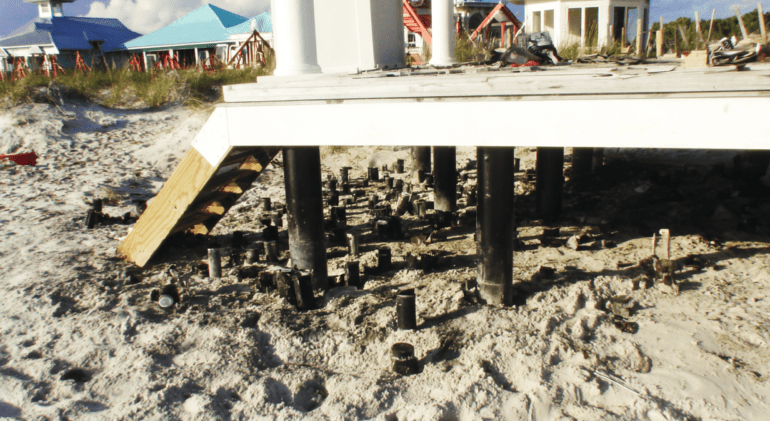
Dock and Marine Construction Experts in South Florida South Florida’s waterfront lifestyle demands durable, expertly built marine structures. Whether you own a residential waterfront home, manage a marina, or oversee a commercial property, professional dock and marine construction is essential for safety, longevity, and performance in coastal environments. Working with experienced South Florida marine contractors […]
Continue Reading
deck builders south florida

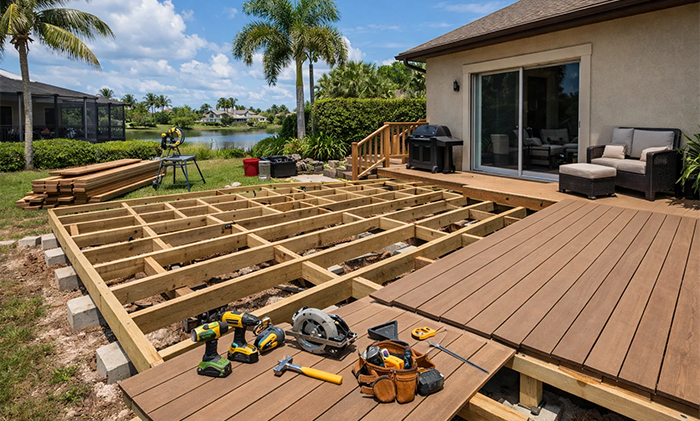
Deck Builders in South Florida

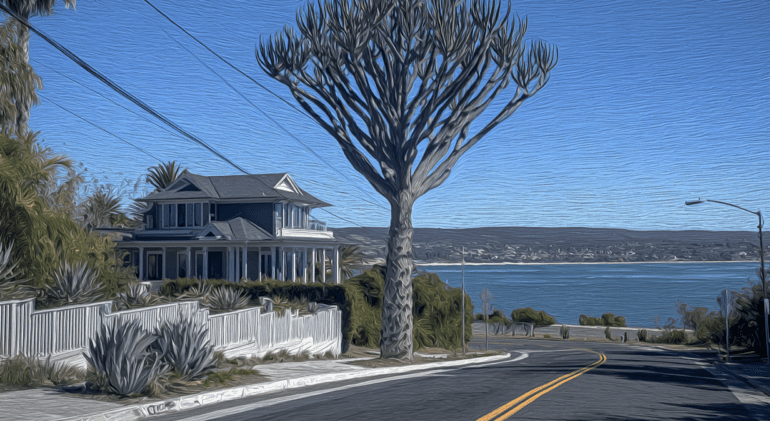
Expert Deck Builders in South Florida: Transform Your Outdoor Space When it comes to enhancing your outdoor living area, working with professional deck builders makes all the difference. In South Florida, where outdoor spaces are used year-round, a well-designed and expertly built deck can significantly increase both your home’s value and your quality of life. […]
Continue Reading

Innovative Coast Construction: Advanced Techniques

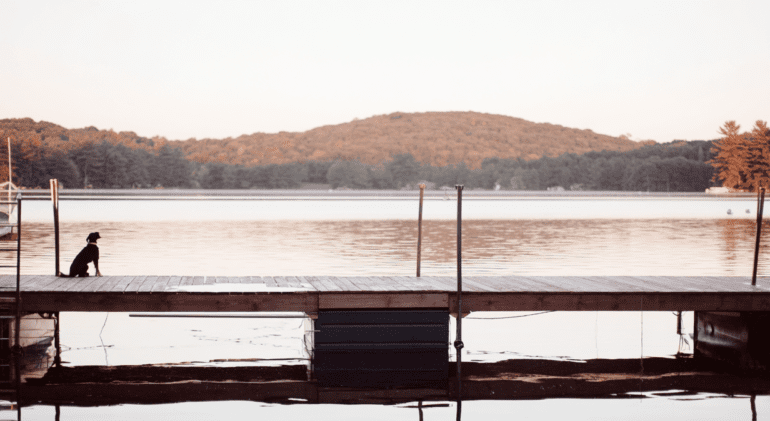
Innovative Techniques in Coast Construction Projects Coastal construction presents unique challenges and opportunities, particularly in areas like New York where the coastline is dynamic and the stakes are high. Innovations in coast construction projects are not just about building structures that withstand the test of time and elements but also about integrating sustainable practices and advanced technologies. This article explores some of the innovative techniques being employed in coast construction projects today. Understanding the Importance of Coastal Construction Coastal areas are among the most densely populated and economically significant regions in the world. As such, they require robust infrastructure to protect against the forces of nature, including storms, erosion, and rising sea levels. The role of a coastal construction company, especially in a bustling place like New York, extends beyond mere construction; it involves careful planning, environmental stewardship, and community engagement. New York Marine Construction: A Case Study New York’s coastlines are a hub of marine construction activity. From piers and docks to seawalls and marinas, the city’s marine infrastructure is vital for transportation, commerce, and recreation. Companies involved in New York marine construction have to navigate stringent regulations and complex environmental conditions while delivering projects that meet the city’s high standards. Innovative Techniques in Coastal Construction Advancements in technology and materials science are transforming the way coastal construction projects are executed. Here are some key innovations: Use of Geotextiles Geotextiles are permeable fabrics that, when used in association with soil, have the ability to separate, filter, reinforce, protect, or drain. In coastal construction, geotextiles are used to stabilize shorelines, prevent erosion, and improve the longevity of coastal structures. These materials are particularly useful in creating artificial reefs and underwater habitats, promoting biodiversity while protecting coastlines. Living Shorelines Living shorelines are a sustainable alternative to traditional hard structures like seawalls. They use natural materials such as plants, sand, and rock to stabilize coastlines and provide habitat for marine life. This approach not only reduces erosion but also enhances the aesthetic and ecological value of the coastline. In places like New York, where natural beauty and environmental health are prized, living shorelines offer a promising solution. Prefabrication and Modular Construction Prefabrication involves constructing parts of a project off-site and then assembling them on-site. This method is gaining traction in coastal construction due to its efficiency and precision. Modular construction, a form of prefabrication, allows for the quick and cost-effective erection of structures, minimizing on-site labor and reducing the impact on the surrounding environment. The Role of Technology in Coastal Construction by Amélie Mourichon (https://unsplash.com/@amayli) Technology plays a crucial role in modern coastal construction projects. Here are some ways it is being leveraged: Drones and Aerial Surveys Drones are increasingly used in coastal construction for surveying and monitoring purposes. They provide high-resolution images and data that help in the planning and execution of projects. Aerial surveys allow construction companies to assess site conditions, track progress, and detect potential issues early on, saving time and resources. Building Information Modeling (BIM) Building Information Modeling (BIM) is a digital representation of the physical and functional characteristics of a facility. In coastal construction, BIM is used to create detailed 3D models that facilitate better planning, design, and management of projects. BIM enhances collaboration among stakeholders and ensures that all aspects of a project are aligned, reducing the risk of errors and rework. Advanced Materials The development of advanced materials has opened new possibilities in coastal construction. For instance, high-performance concrete and corrosion-resistant metals are used to construct durable coastal structures. These materials are designed to withstand harsh marine environments, reducing maintenance costs and extending the lifespan of the infrastructure. Environmental Considerations in Coastal Construction Coastal construction projects must balance development with environmental protection. Here are some strategies used by coastal construction companies to achieve this balance: Environmental Impact Assessments (EIAs) Before any construction begins, an Environmental Impact Assessment (EIA) is conducted to evaluate the potential effects of a project on the environment. This process helps in identifying mitigation measures to minimize negative impacts, ensuring that construction activities are sustainable and compliant with regulations. Sustainable Construction Practices Sustainable construction practices involve using resources efficiently, reducing waste, and minimizing the carbon footprint of projects. Coastal construction companies are increasingly adopting green building techniques, such as using recycled materials and incorporating energy-efficient systems, to promote sustainability. Community Engagement Engaging with local communities is essential for the success of coastal construction projects. Companies often work with stakeholders to address concerns, incorporate local knowledge, and ensure that projects meet the needs of the community. This approach fosters goodwill and enhances the social and economic benefits of construction activities. Conclusion Innovative techniques in coast construction are redefining the way we build and maintain our coastal infrastructure. From advanced materials and technologies to sustainable practices and community engagement, these innovations are paving the way for a more resilient and environmentally friendly future. As coastal construction companies continue to push the boundaries of what’s possible, they play a crucial role in safeguarding our coastlines and enhancing the quality of life for coastal communities.
Continue Reading

Coastal Custom Homes: Design Your Dream Seaside Sanctuary

Designing Your Dream Coastal Custom Home Imagine waking up each morning to the sound of waves crashing on the shore, the scent of salty air, and the sight of a breathtaking ocean view. Designing a coastal custom home allows you to bring this dream to life. Whether you’re planning to build a vacation retreat or a permanent residence, creating a home that complements its surroundings while meeting your unique needs is crucial. In this guide, we’ll explore the essential elements of designing your dream coastal custom home and how to work with coastal custom builders to bring your vision to reality. Understanding Coastal Custom Homes Coastal custom homes are residences specifically designed and constructed to withstand the unique challenges presented by a coastal environment. These homes need to endure harsh weather conditions, such as strong winds, saltwater exposure, and potential flooding. However, they should also capture the beauty and tranquility of the oceanfront location. Key Features of Coastal Custom Homes Elevated Structures: Coastal homes are often built on stilts or piers to prevent flooding and allow for water flow beneath the structure. Durable Materials: Using materials like concrete, steel, and treated wood ensures the home can withstand the corrosive effects of saltwater and high winds. Open Floor Plans: Large, open spaces maximize natural light and provide sweeping views of the ocean. Outdoor Living Spaces: Decks, patios, and balconies enhance the connection between indoor and outdoor spaces, perfect for enjoying ocean breezes. Energy Efficiency: Incorporating energy-efficient windows, insulation, and appliances helps reduce environmental impact and energy costs. The Coastal Construction Process Designing and building a coastal custom home requires careful planning and collaboration with experienced professionals. Here’s a step-by-step overview of the coastal construction process: Step 1: Selecting the Perfect Location The first step in designing your coastal custom home is choosing the right location. Consider factors such as proximity to the water, elevation, local building codes, and the potential impact of natural events like hurricanes or erosion. A reputable coastal custom builder can help assess the suitability of your chosen site. Step 2: Designing Your Home Once you have a location, it’s time to design your dream home. This stage involves working with architects and designers to create a plan that reflects your style and meets your functional needs. Key considerations include: Layout and Flow: Ensure your design promotes easy movement and takes advantage of the site’s natural beauty. View Orientation: Position windows and living spaces to maximize ocean views and natural light. Material Selection: Choose materials that enhance durability and blend with the coastal environment. Step 3: Navigating Permits and Regulations Coastal construction often involves adhering to strict regulations and obtaining various permits. These may include zoning laws, environmental regulations, and building codes. Working with a knowledgeable builder familiar with local requirements is essential to streamline this process. Step 4: Construction and Building With permits in hand, construction can begin. This phase involves site preparation, foundation work, framing, and the installation of utilities and finishes. Regular communication with your builder ensures the project stays on schedule and aligns with your vision. by Stepan Konev (https://unsplash.com/@stepan_konev) Choosing the Right Coastal Custom Builder Selecting the right builder is crucial to the success of your coastal custom home project. Here are some tips to help you make the right choice: Experience and Expertise Look for builders with a proven track record in coastal construction. Experience in navigating the complexities of building in coastal areas is invaluable. Request references and visit completed projects to assess their quality of work. Collaborative Approach A good builder will collaborate closely with you throughout the process, from design to completion. They should be open to incorporating your ideas and preferences while offering expert guidance. Transparent Communication Clear and open communication is essential for a smooth construction process. Choose a builder who is responsive and keeps you informed about progress, challenges, and changes. Bringing Your Coastal Vision to Life Designing your dream coastal custom home is an exciting journey that allows you to create a space tailored to your lifestyle and the beauty of the oceanfront location. By understanding the unique aspects of coastal construction and partnering with experienced builders, you can navigate the challenges and enjoy the rewards of living in a home that captures the essence of coastal living. Whether you’re drawn to the idea of a contemporary beach house or a classic seaside cottage, your coastal custom home should reflect your personality and offer a sanctuary where you can unwind and connect with nature. Embrace the opportunity to design a home that not only withstands the elements but also enhances your experience of living by the sea. Conclusion Creating a coastal custom home involves thoughtful planning, collaboration with experienced builders, and a deep appreciation for the unique coastal environment. By following the steps outlined in this guide and choosing the right professionals, you can transform your dream of oceanfront living into a reality. Enjoy the journey of designing a home that offers beauty, functionality, and a lasting connection to the stunning coastal landscape.
Continue Reading

Top Custom Dock Builder Near Me: Expert Construction

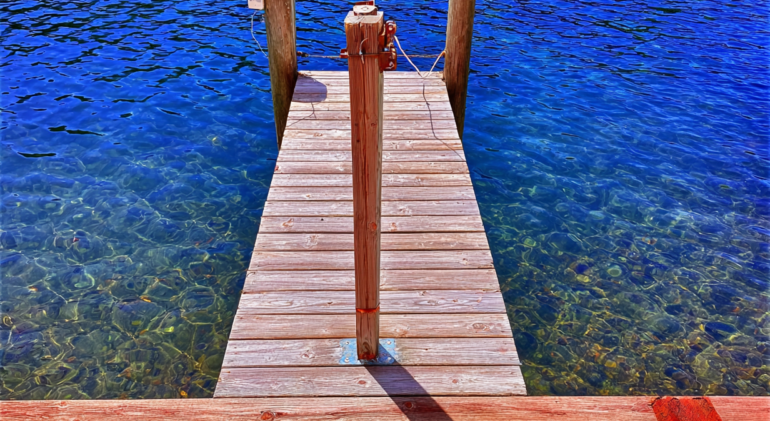
Finding the Best Custom Dock Builders Nearby When it comes to enhancing the beauty and functionality of your waterfront property, building a custom dock can be a game-changer. Whether you own a lakeside home, a property by the river, or a pond in your backyard, a well-crafted dock can provide endless opportunities for relaxation, recreation, and increased property value. However, selecting the right custom dock builder is crucial to ensure that your dock meets your needs and stands the test of time. Before diving into the search for a “custom dock builder near me,” it’s important to understand what custom dock construction entails. Unlike standard docks, custom docks are tailored to fit the specific requirements of your property and personal preferences. This means taking into consideration the size, shape, and design that best complements your surroundings. Types of Custom Docks There are several types of custom docks to consider: Floating Docks: These are versatile and can be easily adjusted to changing water levels, making them ideal for areas with fluctuating tides. Stationary Docks: Fixed in place with pilings, these docks offer stability and are perfect for calm water areas. Combination Docks: A mix of floating and stationary elements, offering flexibility and stability. Each type has its advantages, and the choice depends on your specific needs and the characteristics of your waterfront. Why Hire a Custom Dock Builder? Hiring professional pond dock builders near you ensures that your dock is built to high standards of safety and durability. Here are some reasons why you should consider a professional: Expertise: Custom dock builders have the knowledge and experience to handle complex construction projects, ensuring that your dock is safe and secure. Permits and Regulations: Building a dock often requires permits and adherence to local regulations. Professionals are familiar with these requirements and can navigate the process efficiently. Quality Materials: A reputable builder will use high-quality materials that withstand environmental conditions, ensuring longevity and minimal maintenance. How to Find the Right Custom Dock Builder Near You Research and Referrals Start by searching online for “custom dock builder near me” or “pond dock builders near me.” This will provide a list of local contractors. Additionally, ask friends, family, or neighbors who have docks for recommendations. Personal referrals can often lead to finding trustworthy builders. Check Credentials Once you have a list of potential builders, check their credentials. Ensure they are licensed and insured, which protects you from liability in case of accidents during construction. Review their portfolio to see examples of their past work and assess whether their style aligns with your vision. Read Reviews Customer reviews and testimonials can offer insights into the builder’s reliability and quality of work. Pay attention to feedback about timeliness, communication, and overall satisfaction. Websites like Yelp, Google, and the Better Business Bureau are great places to start. The Custom Dock Construction Process by nameless 3791 (https://unsplash.com/@unidentifieduser) Understanding the construction process can help set your expectations and ensure a smoother experience: Initial Consultation: The builder visits your property to discuss your needs, budget, and preferences. They assess the site and provide suggestions based on your input. Design and Planning: Once you agree on the concept, the builder creates detailed plans and designs. This stage may involve revisions until you are satisfied with the layout and features. Permitting: The builder handles the necessary permits and regulatory approvals, ensuring compliance with local laws. Construction: The actual building begins, with regular updates provided by the builder. They will manage the project from start to finish, coordinating any subcontractors or specialists as needed. Inspection and Handover: After construction, the dock is inspected to ensure it meets all safety standards. The builder will walk you through the completed project, explaining maintenance and care. Cost Considerations for Custom Docks The cost of building a custom dock can vary widely based on several factors: Size and Complexity: Larger, more complex designs will naturally cost more due to increased material and labor needs. Materials Used: High-end materials like composite decking or exotic hardwoods will increase the overall cost. Location: The site’s accessibility and environmental conditions can affect construction costs. Difficult terrain or remote locations may require more resources. Maintaining Your Custom Dock Once your dock is built, regular maintenance is key to preserving its condition. Here are some tips: Inspect Regularly: Check for signs of wear or damage, such as loose boards or rusted hardware. Clean Thoroughly: Remove debris and clean the surface to prevent mold and mildew buildup. Seal and Protect: Apply sealants to protect wood from water damage and UV rays. Conclusion Investing in a custom dock is a wonderful way to enhance your waterfront property. Whether you need a space for entertaining, fishing, or simply enjoying nature, a well-designed dock can fulfill your desires. By choosing the right custom dock builder near you, you ensure a quality build that adds value to your property for years to come. So, start your search today, consult with professionals, and soon you’ll be enjoying your very own slice of waterfront paradise.
Continue Reading

Top Dock Repair Near Me: Reliable Local Services

Finding Reliable Dock Repair Services Nearby When your dock shows signs of wear and tear, it’s crucial to find reliable repair services to ensure safety and longevity. Whether it’s a minor fix or significant structural work, having a professional handle the repair can save you time, money, and potential headaches in the long run. But how do you find the best dock repair services near you? Let’s explore the steps to locate dependable local services that can meet your needs. Before diving into the search, it’s essential to understand the specific repair needs of your dock. Docks can suffer from various issues, such as: Rotting Wood: Over time, wooden docks can rot due to moisture exposure. Rusting Metal Parts: Metal components may rust, compromising the dock’s integrity. Loose or Missing Fasteners: Bolts and screws can become loose or fall out, leading to instability. Cracked or Damaged Decking: Constant exposure to the elements can cause cracks and other damage to the decking. Knowing what needs fixing will help you communicate effectively with potential repair services and ensure you get an accurate quote. Searching for Dock Repair Services When searching for “dock repair near me,” keep in mind these strategies to find the most reliable services: Online Searches and Reviews Start with a simple online search using keywords like “boat dock repair near me” or “dock repair companies near me.” Online platforms like Google or Yelp can provide a list of local companies offering dock repair services. Pay close attention to customer reviews and ratings, which offer insights into the quality of service and customer satisfaction. Ask for Recommendations Word of mouth is a powerful tool. Ask fellow boaters, marina staff, or friends with docks for recommendations. Personal experiences can guide you toward trustworthy service providers who have a track record of quality work. Check Professional Associations Many reputable dock repair companies are part of professional associations. Look for companies affiliated with organizations like the Marine Industries Association or local boating clubs. Membership often indicates a commitment to industry standards and ongoing education. Evaluating Potential Dock Repair Companies Once you have a list of potential companies, it’s time to evaluate them. Here’s what to consider: Experience and Expertise The experience level of a company can directly impact the quality of repair work. Companies with several years in the industry are likely to have encountered a range of repair scenarios, equipping them with the knowledge to handle your specific needs. Licensing and Insurance Ensure that the company holds the necessary licenses and insurance to operate legally and protect you from liability. This is crucial for any work done on your property. Service Offerings Some companies specialize in specific types of repairs or materials. Confirm that the service you choose can handle your specific repair needs, whether it’s wood, composite, or metal docks. Cost Estimates Request quotes from multiple companies to compare pricing. While it’s tempting to go with the cheapest option, consider the value you get for your money. A slightly higher price may be justified if it means better materials or craftsmanship. The Repair Process by Annie Spratt (https://unsplash.com/@anniespratt) Understanding the repair process can help set expectations and ensure a smooth experience. Typically, the process involves: Inspection: A thorough inspection to assess the extent of the damage and determine necessary repairs. Estimate and Agreement: The company provides a cost estimate, and you agree on the scope of work. Repair Work: Skilled technicians carry out the repairs, which may involve replacing materials, reinforcing structures, and ensuring safety standards are met. Final Walkthrough: After repairs are completed, a final inspection ensures everything is up to standard and meets your satisfaction. Maintaining Your Dock After repairs, ongoing maintenance is vital to prolong the life of your dock. Here are some maintenance tips: Regular Inspections: Check for signs of damage or wear regularly. Cleaning: Keep the dock clean from debris and algae to prevent decay and slips. Protective Coatings: Apply sealants or protective coatings to wood and metal parts to protect against the elements. Conclusion Finding reliable dock repair services nearby doesn’t have to be daunting. By understanding your repair needs, conducting thorough research, and evaluating potential companies, you can ensure your dock is in capable hands. With professional repairs, your dock can continue to be a safe and enjoyable place for you and your family. Remember, a well-maintained dock not only enhances the beauty of your waterfront property but also ensures safety and durability for years to come.
Continue Reading
Select the fields to be shown. Others will be hidden. Drag and drop to rearrange the order.
  • Image
  • SKU
  • Rating
  • Price
  • Stock
  • Availability
  • Add to cart
  • Description
  • Content
  • Weight
  • Dimensions
  • Additional information
Click outside to hide the comparison bar
Compare