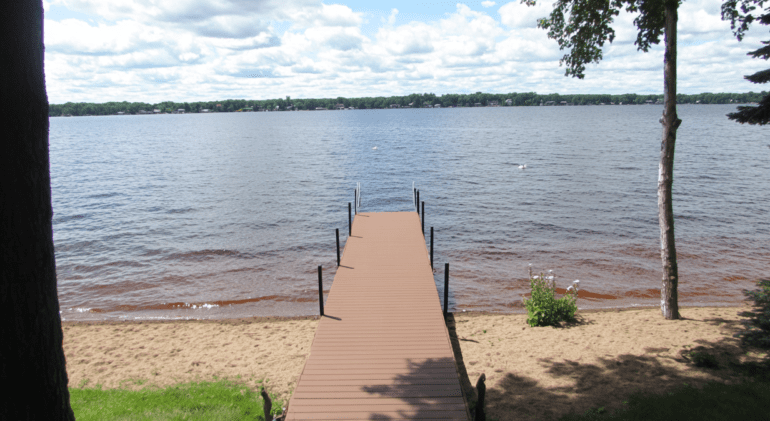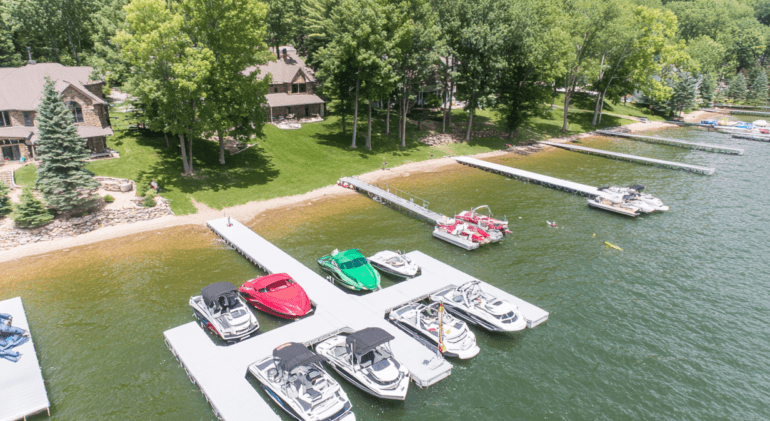
Top Boat Dock Companies Near Me: Expert Guide

When it comes to building or renovating a dock, choosing the right company is crucial. Whether you’re looking for boat dock companies near you or a pier construction expert, making an informed decision can save you time, money, and stress. In this guide, we’ll delve into how to find the best local dock construction companies, what to look for, and why choosing the right partner is essential for your waterfront project. Before you start your search for “boat dock companies near me,” it’s important to clearly understand your needs. Are you looking to install a new dock, repair an existing one, or perhaps build a full-sized pier? Knowing what you want will help narrow down your options and communicate effectively with potential contractors. Types of Docks There are several types of docks to consider, including: Floating Docks: Ideal for areas with fluctuating water levels. Piling Docks: Best for stable, deep water areas. Pipe Docks: Suitable for shallow waters. Crib Docks: Built with a foundation of stone-filled crates, perfect for rocky areas. Each type has its own set of advantages and considerations, so knowing which suits your location and needs is paramount. Researching Local Companies Once you’ve identified your dock type and requirements, it’s time to search for “pier companies near me.” Here are some steps to help you identify the best candidates: Online Searches and Reviews Start with a simple online search. Websites like Google and Yelp can provide a list of local companies, complete with customer reviews and ratings. Pay close attention to feedback regarding: Quality of work Timeliness Customer service Problem-solving skills Look for companies with consistently high ratings and positive feedback. Check Credentials and Experience After shortlisting a few companies, verify their credentials. This includes checking their licenses, certifications, and insurance. A reputable dock construction company should have the necessary permits to operate in your area and adhere to local building codes. Experience is another vital factor. How long has the company been in business? Do they specialize in the type of dock you’re interested in? Companies with years of experience are often more reliable and knowledgeable about potential challenges. Requesting Quotes and Estimates Once you’ve narrowed down your list, contact these companies for quotes. A professional company should offer a detailed estimate that includes: Costs of materials Labor fees Timeline for completion Any potential additional charges This is also a chance to gauge their customer service. Are they responsive? Do they answer your questions clearly? Their willingness to provide a comprehensive quote and engage with you professionally can be a good indicator of their reliability. Comparing Quotes When comparing quotes, don’t automatically go for the cheapest option. Consider the overall value each company offers. A slightly higher upfront cost can sometimes lead to better quality materials and craftsmanship, saving you money in the long run. Assessing Quality and Workmanship The quality of materials and workmanship will greatly influence the longevity and safety of your dock. Here are some points to consider: Visit Completed Projects If possible, visit some of the docks the company has completed. Seeing their work firsthand can give you a better idea of their capabilities and attention to detail. Ask for References Request references from past clients and ask about their experience with the company. Were they satisfied with the work? Was the project completed on time and within budget? Personal testimonials can provide valuable insights. Understanding Legal and Environmental Considerations Building a dock involves various legal and environmental considerations. Ensure that the company you choose is knowledgeable about: Local regulations and permits Environmental protection laws Water safety regulations A good company will help you navigate these legalities and ensure that your dock complies with all necessary regulations.   Making the Final Decision With all the information gathered, it’s time to make your decision. Consider all aspects, including: Company reputation and reviews Quality of materials and workmanship Cost and value Experience and expertise Customer service Choosing the right dock construction company is an investment in your property. Take the time to select a partner who will deliver quality results and a dock that meets your needs. Conclusion Finding the best “boat dock companies near me” requires careful research and consideration. By understanding your needs, researching local companies, and evaluating their credentials and past work, you can make an informed decision. Remember, the right company will not only meet your expectations but exceed them, providing you with a safe and durable dock that enhances your waterfront property for years to come. With these steps, you’re well on your way to a successful dock construction project. Happy boating!
Continue Reading

Dock vs Pier: Key Differences Explained

Understanding the Differences Between Docks and Piers When it comes to waterfront structures, docks and piers are two terms that are often used interchangeably. However, they serve different purposes and have distinct characteristics. Understanding the differences between docks and piers can help you appreciate their unique roles in maritime settings. A dock is a structure that provides access to water and serves as a mooring place for boats. Typically, docks are positioned parallel to the shoreline and may be floating or fixed. They are constructed using materials like wood, concrete, or metal, and their primary function is to facilitate the loading and unloading of passengers and goods. Types of Docks There are several types of docks, each designed for specific needs: Floating Docks: These docks are buoyant and rise and fall with the water level. They are ideal for areas with significant tidal changes. Fixed Docks: Built on sturdy pilings, fixed docks remain in place regardless of water level changes. They are suitable for stable water environments. Commercial Docks: Used in shipping and industrial contexts, these docks are designed to handle large vessels and substantial cargo. Dock Features Docks are typically equipped with cleats and bollards to secure boats. They might also have utilities such as water and electricity hookups, enhancing convenience for boat owners. Additionally, docks can be used for recreational purposes, such as fishing or sunbathing. What is a Pier? A pier is a structure that extends from the shore into the water, supported by pillars or pilings. Unlike docks, piers are usually built perpendicular to the shoreline. Piers can serve various functions, including serving as a scenic walkway, a fishing spot, or a docking place for boats. Types of Piers Piers come in different forms, catering to diverse activities: Fishing Piers: Designed to provide anglers with access to deeper waters, these piers often include benches and cleaning stations. Recreational Piers: These are intended for public enjoyment and may feature shops, restaurants, or entertainment facilities. Industrial Piers: Used for loading and unloading cargo, these piers accommodate large vessels and heavy equipment. Pier Features Piers are often equipped with railings for safety and may have lighting to enhance visibility during nighttime. Some piers even have covered sections to protect visitors from the elements. Key Differences Between Docks and Piers by Alex Stone (https://unsplash.com/@sparkle23) While docks and piers might look similar at first glance, they have several distinguishing features: Orientation: Docks are parallel to the shore, while piers extend perpendicularly into the water. Purpose: Docks primarily serve as mooring points for boats, whereas piers can have multiple functions, including recreational and industrial uses. Structure: Docks can be floating or fixed, while piers are typically fixed structures supported by pilings. Design: Docks are often simpler in design, focused on practicality, while piers may have elaborate designs to accommodate various activities. The Role of Docks and Piers in Maritime Activities Both docks and piers are vital to maritime activities, supporting transportation, recreation, and commerce. Understanding their differences helps in selecting the appropriate structure for specific needs. Importance of Docks Docks are crucial in maritime logistics, providing a safe and efficient way to load and unload goods and passengers. Their design facilitates quick access to and from vessels, which is essential in busy ports. Importance of Piers Piers enhance waterfront communities by offering recreational spaces and supporting local economies through tourism and fishing. Their strategic placement into deeper waters also allows for docking larger ships that cannot approach the shore. Choosing Between a Dock and a Pier When deciding between a dock and a pier, consider the following factors: Purpose: Determine whether the primary need is for mooring boats or for recreational and commercial activities. Environment: Assess the water conditions, including tides and water depth, to choose the most suitable structure. Budget: Consider the cost implications of building and maintaining the structure, as piers can be more expensive due to their size and complexity. Regulations: Check local regulations and permits required for construction, as these can vary based on the intended use and location of the structure. Conclusion Understanding the differences between docks and piers is essential for anyone involved in waterfront activities. Whether you’re a boat owner, a developer, or just someone who enjoys spending time by the water, knowing the unique features and functions of these structures can enhance your appreciation for them. By considering the specific needs and conditions of your waterfront area, you can make informed decisions that maximize the utility and enjoyment of these essential maritime structures.
Continue Reading

Commercial Dock Insights: Construction & Investment

Understanding the Importance of Commercial Docks   Commercial docks play a crucial role in the economic infrastructure of a region. They serve as the connection point between land and water transportation, facilitating the movement of goods and resources that drive commerce. In this article, we’ll explore the significance of commercial docks, the considerations involved in their construction, and why investing in commercial docks for sale can be a smart business move. What are Commercial Docks? Commercial docks are structures built along the waterfront to support the loading and unloading of goods from ships and other vessels. They are designed to accommodate various types of cargo, from bulk goods like coal and grain to containerized freight. These docks are integral to shipping and logistics operations, providing essential services to industries like manufacturing, agriculture, and retail. Types of Commercial Docks There are different types of commercial docks, each serving specific purposes. Some common types include: Container Docks: Specifically designed to handle containerized cargo. These docks are equipped with cranes and other machinery to efficiently load and unload containers. Bulk Cargo Docks: Used for commodities like coal, grain, and minerals. These docks often feature conveyor belts and storage facilities. Fishing Docks: Cater to the fishing industry, providing facilities for unloading and processing fish and other seafood. Oil and Gas Docks: Built to accommodate tankers and other vessels transporting liquid commodities. The Importance of Commercial Docks Commercial docks are vital for several reasons: Economic Growth Commercial docks are economic powerhouses, enabling trade and commerce that contribute significantly to a region’s GDP. They provide jobs, not only in dock operations but also in related industries such as transportation, logistics, and warehousing. Infrastructure Development Investment in commercial dock construction boosts infrastructure development. It leads to the creation of better roads, railways, and other transport links, improving connectivity and accessibility for businesses and consumers. Global Trade In an increasingly globalized economy, commercial docks are essential for international trade. They facilitate the import and export of goods, helping businesses to reach new markets and source materials from around the world. Supply Chain Efficiency Commercial docks enhance supply chain efficiency by providing a streamlined process for transferring goods between ships and land-based transportation. This reduces delays and ensures that products reach their destinations quickly and reliably. Considerations for Commercial Dock Construction When planning commercial dock construction, several factors need to be considered to ensure a successful project: Location The location of a commercial dock is critical. It should be easily accessible by both land and water, with sufficient depth to accommodate the vessels that will use it. Proximity to major highways, railways, and airports is also advantageous. Environmental Impact It’s important to assess the environmental impact of dock construction. This includes evaluating potential effects on local wildlife, water quality, and coastal ecosystems. Sustainable practices and materials should be prioritized to minimize harm to the environment. Design and Engineering The design and engineering of a commercial dock must meet the specific needs of the cargo it will handle. This includes selecting appropriate materials, structural designs, and equipment to ensure safety and efficiency. Regulatory Compliance Commercial dock construction must comply with local, national, and international regulations. This includes obtaining necessary permits and adhering to safety and environmental standards. Investing in Commercial Docks for Sale by David Martin (https://unsplash.com/@davidmartinjr) Purchasing commercial docks for sale can be a lucrative investment for businesses looking to expand their operations or diversify their portfolios. Here are some reasons why investing in commercial docks is a smart choice: Revenue Generation Commercial docks generate revenue through docking fees, storage charges, and other services. They also attract ancillary businesses such as shipping companies, logistics providers, and repair services, further boosting profitability. Strategic Advantage Owning a commercial dock provides a strategic advantage by giving businesses control over their supply chain. It allows for more efficient management of imports and exports, reducing reliance on third-party facilities. Long-term Value Commercial docks are long-term assets that appreciate over time. As global trade continues to grow, the demand for well-located docks is likely to increase, enhancing their value. Customization and Expansion Owning a commercial dock allows businesses to customize and expand the facility to meet their specific needs. This flexibility can lead to increased operational efficiency and the ability to accommodate a wider range of cargo. Conclusion Commercial docks are indispensable to modern commerce, providing the infrastructure needed for the efficient movement of goods. Whether you’re considering commercial dock construction or looking to invest in commercial docks for sale, understanding their importance is key to making informed decisions. By recognizing the economic, logistical, and strategic benefits they offer, businesses can leverage commercial docks to enhance their operations and drive growth. In conclusion, commercial docks serve as the backbone of trade and logistics, facilitating the seamless flow of goods across the globe. Their strategic importance cannot be overstated, making them a critical asset for businesses and economies alike.
Continue Reading

Essential Parts of a Dock: A Comprehensive Guide

Understanding the Essential Components of Docks Docks are essential structures for maritime activities, providing a safe and stable platform for mooring boats and accessing waterways. Whether you’re a boating enthusiast, a dock builder, or someone interested in marine architecture, understanding the anatomy of a dock is crucial. In this article, we will break down the essential components of docks, explore their functions, and discuss how they work together to create a robust and functional structure. The Basic Anatomy of a Dock At first glance, docks might seem like simple structures, but they are composed of various parts that work together to provide stability and functionality. Here, we will outline the main parts of a dock and their roles. The Decking The decking is the top surface of the dock where people walk, and it provides a stable platform for activities. It is typically made from materials like wood, composite, or aluminum, offering durability and resistance to water and weather conditions. The Piles Piles are the vertical supports driven into the seabed or riverbed, providing the dock with foundational stability. They are often made of wood, steel, or concrete, and their main function is to hold the dock in place, preventing it from drifting or collapsing under pressure. The Beams Beams run horizontally across the piles and support the decking. They are essential for distributing the weight of the deck and any additional loads, like people or equipment, evenly across the structure. The Stringers Stringers, or joists, are placed between the beams and decking. They run parallel to the deck and provide additional support, ensuring the decking remains stable and secure. Additional Components and Features Apart from the basic components, docks often include additional features and parts that enhance their functionality and safety. Fenders and Bumpers Fenders and bumpers are protective elements attached to the sides of a dock to prevent boats from getting damaged when they moor. They act as a cushion between the dock and the boat, absorbing the impact and protecting both structures. Cleats Cleats are metal or plastic fixtures attached to the dock surface, used for securing boats with ropes. They are strategically placed along the dock to provide convenient mooring points for boats of various sizes. Gangways Gangways are the ramps or bridges that connect the dock to the shore. They are crucial for allowing safe and easy access to the dock, especially when the water level changes due to tides or other factors. by Joe Dudeck (https://unsplash.com/@joetography) Ladders Dock ladders are essential for safety, providing a means for individuals to get in and out of the water. They are usually made of metal and are attached securely to the dock. Types of Docks Docks come in various types, each designed to suit different environments and purposes. Here are some common types: Floating Docks Floating docks are versatile structures that rise and fall with the water level. They are ideal for areas with significant tidal variations and can be easily moved or adjusted as needed. Fixed Docks Fixed docks are permanent structures anchored to the seabed. They are stable and durable, making them suitable for areas with minimal water level changes. Pile Docks Pile docks are supported by piles driven deep into the seabed. They offer excellent stability and are commonly used in areas with strong currents or harsh weather conditions. Importance of Dock Maintenance Regular maintenance is crucial to ensure the longevity and safety of a dock. Here are some maintenance tips: Inspect Regularly: Regularly check for signs of wear and tear, such as rot, corrosion, or loose fittings. Clean the Decking: Remove debris and clean the decking to prevent slippery surfaces and damage. Check the Piles: Ensure that the piles remain secure and are not shifting or deteriorating. Maintain Accessories: Inspect and maintain accessories like cleats, fenders, and ladders to ensure they are in good working condition. Conclusion Understanding the essential components of docks is vital for anyone involved in maritime activities. From the basic anatomy to additional features and maintenance tips, knowing how these parts work together helps ensure a safe and functional dock. Whether you’re building a new dock or maintaining an existing one, this knowledge can help you make informed decisions and keep your dock in top condition for years to come. By knowing the anatomy of a dock, you can appreciate the engineering behind these structures and make the most of your maritime experiences.
Continue Reading

Top Marine Dock Builders Near Me | Find the Best Experts

Finding the Best Marine Dock Builders Nearby When you live by the water, having a dock or pier can be a wonderful addition to your property. Whether you’re looking for a place to moor your boat, a spot to fish, or just a relaxing place to enjoy the view, a well-constructed dock is essential. But how do you find the best marine dock builders nearby? This guide will walk you through the process of finding and choosing the right dock building company for your needs. Building a dock is not as simple as it might seem. There are many factors to consider, including the type of water body, local regulations, materials, and design. Professional dock builders have the expertise and experience to ensure your dock is safe, durable, and meets all legal requirements. Expertise in Design and Construction Professional dock builders understand the complexities of designing a dock that can withstand the elements while complementing your property’s aesthetic. They use quality materials and proven construction techniques to ensure your dock lasts for many years. Knowledge of Local Regulations Dock construction is subject to various regulations and permits. Experienced dock contractors are familiar with these rules and can handle the necessary paperwork, ensuring your dock complies with all local laws. Types of Docks and What to Consider When planning your dock, consider what type of dock best suits your needs. There are several types to choose from, each with its own benefits and drawbacks. Floating Docks Floating docks are versatile and can be used in areas with fluctuating water levels. They are typically made from durable materials like aluminum and plastic, making them a low-maintenance option. Fixed Docks Fixed docks are anchored to the seabed with pilings, making them sturdy and stable. They are ideal for areas with stable water levels and can be customized with various features like benches and railings. Piers Piers extend over the water and are often used for fishing or boat mooring. They require careful design and construction to ensure safety and durability. How to Find the Best Dock Builders Near You Finding the right dock builder can seem daunting, but these steps will help you narrow down your options. Research and Recommendations Start by searching online for “deck and dock builders near me,” “boathouse builders near me,” or “marine dock builders near me.” Look for companies with positive reviews and a strong online presence. Additionally, ask friends or neighbors who have docks for recommendations. Check Credentials and Experience When you find potential dock builders, check their credentials and experience. Look for companies that are licensed, insured, and have a proven track record in dock construction. Experience in building docks in your specific area is a plus, as they will be familiar with local conditions and regulations. Review Past Projects Ask to see examples of the company’s past projects. This will give you an idea of their design capabilities and quality of work. Pay attention to the details and craftsmanship in their finished docks. Questions to Ask Your Dock Builder Before hiring a dock builder, it’s essential to ask the right questions to ensure they are the right fit for your project. What Materials Do You Use? The materials used in dock construction can impact the dock’s longevity and maintenance needs. Ask about the pros and cons of different materials like wood, aluminum, and composite decking. What Is the Timeline for Completion? Understanding the timeline for your dock project is crucial for planning. Ask for a detailed schedule, including any potential delays due to weather or permitting issues. What Are the Costs Involved? Request a detailed estimate that includes all costs associated with the project, such as materials, labor, permits, and any additional features. This will help you budget effectively and avoid unexpected expenses. The Benefits of Hiring Local Dock Builders Hiring local dock builders offers several advantages that can enhance the quality and efficiency of your project. Familiarity with Local Conditions Local dock builders have a deep understanding of the environmental conditions in your area, such as water levels, soil types, and weather patterns. This knowledge allows them to design docks that are well-suited to the local environment. Quick Access to the Site Being nearby means that local contractors can quickly visit your site for consultations, inspections, and any necessary adjustments during the construction process. This can lead to faster response times and more efficient project management. Maintenance and Upkeep of Your Dock by Karen Kucinski (https://unsplash.com/@k_p2_k) Once your dock is built, maintaining it is essential to ensure its longevity and safety. Here are some maintenance tips to keep your dock in top condition. Regular Inspections Inspect your dock regularly for signs of wear and tear, such as loose boards, rust, or rotting wood. Early detection of issues can prevent costly repairs down the line. Cleaning and Treatment Clean your dock regularly to remove debris and algae. Depending on the materials, you may also need to treat it with sealants or preservatives to protect against weathering. Professional Maintenance Services Consider hiring professional dock maintenance services for thorough inspections and repairs. They have the expertise to address issues that might not be visible to the untrained eye. Conclusion Finding the best marine dock builders nearby requires careful research and consideration. By understanding the types of docks available, asking the right questions, and checking the credentials of potential builders, you can ensure a successful dock construction project. Remember, a well-built dock is an investment that adds value to your property and provides years of enjoyment by the water.
Continue Reading

Marine Dock Construction: Essential Steps & Tips

Essential Steps in Marine Dock Construction Building a marine dock is an exciting endeavor that opens up new opportunities for waterfront enjoyment and activities. Whether you’re considering dock renovations or starting from scratch, understanding the essential steps in marine dock construction can guide you through the process smoothly. This article will delve into key aspects of marine pier construction, offering insights into planning, materials, and construction techniques. Let’s dive into the world of marine dock construction and ensure your project is set for success. Planning Your Marine Dock Construction Before any construction begins, thorough planning is essential. Taking the time to plan can save you both time and money in the long run. Assessing Your Needs Start by defining the purpose of your dock. Are you planning on using it for boating, fishing, swimming, or simply as a scenic overlook? Knowing the primary use will guide the design and materials selection. Site Selection and Permits Choosing the right location is crucial. Consider water depth, tidal patterns, and environmental impact. Additionally, check local regulations and obtain necessary permits for your dock construction. Compliance with these regulations is crucial to avoid legal issues down the line. Budget Considerations Establish a realistic budget by considering costs associated with materials, labor, permits, and potential dock renovations. Having a clear budget helps in making informed decisions throughout the construction process. Choosing the Right Materials Selecting the appropriate materials is vital for the durability and longevity of your dock. Your choice will depend on factors like budget, maintenance, and aesthetics. Traditional Wood Wooden docks have a classic appeal and are often chosen for their natural look. However, they require regular maintenance to protect against rot and weathering. Composite Materials Composite materials offer a low-maintenance alternative to wood. They are resistant to rot, insects, and weather damage, making them a popular choice for marine dock construction. Aluminum and Steel For those seeking durability and strength, aluminum and steel are excellent choices. These materials are ideal for heavy-duty docks but may come at a higher cost. Construction Techniques for Marine Docks With plans and materials in place, the next step is construction. Understanding the techniques involved can help you oversee the process effectively. Foundation and Pilings The foundation is the most critical part of your dock. Pilings, driven deep into the seabed, provide support and stability. Depending on your location, you might use wood, steel, or concrete pilings. Framing and Decking Once the foundation is secure, framing and decking can begin. Ensure that the framing is sturdy and can support the intended use. For decking, choose materials that offer a balance between aesthetic appeal and practicality. Installing Accessories Consider adding accessories like ladders, railings, and lighting. These elements enhance the functionality and safety of your dock, making it more enjoyable for all users. by Andrew Vjivii (https://unsplash.com/@vjivii) Maintenance and Upkeep After construction, regular maintenance is necessary to keep your dock in top condition. Proper upkeep extends the lifespan of your dock and ensures safety. Regular Inspections Conduct regular inspections to check for signs of wear and tear. Look for loose boards, rust, or damage from marine organisms. Cleaning and Repairs Keep your dock clean by removing debris and algae. Address any repairs promptly to prevent further damage, especially after severe weather events. Seasonal Considerations Depending on your location, seasonal weather changes can affect your dock. Prepare your dock for winter by removing any accessories that could be damaged by ice or cold temperatures. Dock Renovations and Upgrades As time passes, you may want to renovate or upgrade your dock to meet changing needs or preferences. Expanding Your Dock If your dock no longer meets your needs, consider expanding it. Assess how much additional space is required and plan the expansion carefully to integrate seamlessly with the existing structure. Enhancing Functionality Consider adding features like a boat lift or additional seating areas. These upgrades can enhance the usability and enjoyment of your dock. Aesthetic Improvements Over time, your dock may require aesthetic updates. Repainting, replacing worn materials, or updating accessories can give your dock a fresh look. Conclusion Marine dock construction is a rewarding project that, when executed well, can provide years of enjoyment. By following these essential steps—from planning and materials selection to construction and maintenance—you can ensure your dock is both functional and durable. Whether you’re embarking on new marine pier construction or looking into dock renovations, having a clear understanding of the process will help you achieve your vision. Dive into your dock project with confidence, knowing you have the knowledge to make informed decisions.
Continue Reading
Select the fields to be shown. Others will be hidden. Drag and drop to rearrange the order.
  • Image
  • SKU
  • Rating
  • Price
  • Stock
  • Availability
  • Add to cart
  • Description
  • Content
  • Weight
  • Dimensions
  • Additional information
Click outside to hide the comparison bar
Compare