Marine Dock Construction: Essential Steps & Tips

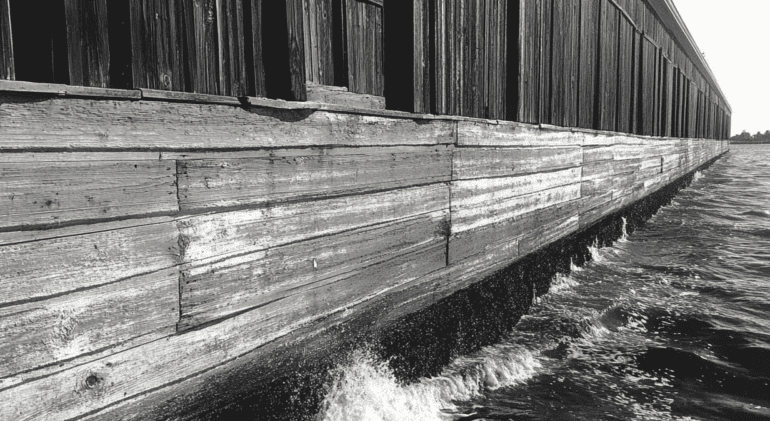
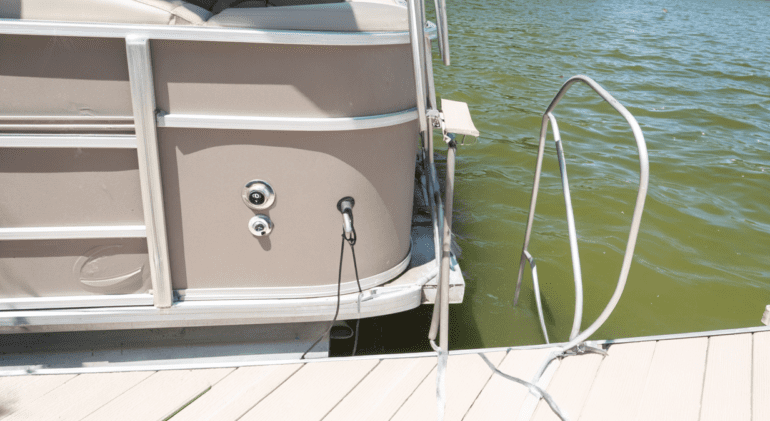
Essential Steps in Marine Dock Construction Building a marine dock is an exciting endeavor that opens up new opportunities for waterfront enjoyment and activities. Whether you’re considering dock renovations or starting from scratch, understanding the essential steps in marine dock construction can guide you through the process smoothly. This article will delve into key aspects of marine pier construction, offering insights into planning, materials, and construction techniques. Let’s dive into the world of marine dock construction and ensure your project is set for success. Planning Your Marine Dock Construction Before any construction begins, thorough planning is essential. Taking the time to plan can save you both time and money in the long run. Assessing Your Needs Start by defining the purpose of your dock. Are you planning on using it for boating, fishing, swimming, or simply as a scenic overlook? Knowing the primary use will guide the design and materials selection. Site Selection and Permits Choosing the right location is crucial. Consider water depth, tidal patterns, and environmental impact. Additionally, check local regulations and obtain necessary permits for your dock construction. Compliance with these regulations is crucial to avoid legal issues down the line. Budget Considerations Establish a realistic budget by considering costs associated with materials, labor, permits, and potential dock renovations. Having a clear budget helps in making informed decisions throughout the construction process. Choosing the Right Materials Selecting the appropriate materials is vital for the durability and longevity of your dock. Your choice will depend on factors like budget, maintenance, and aesthetics. Traditional Wood Wooden docks have a classic appeal and are often chosen for their natural look. However, they require regular maintenance to protect against rot and weathering. Composite Materials Composite materials offer a low-maintenance alternative to wood. They are resistant to rot, insects, and weather damage, making them a popular choice for marine dock construction. Aluminum and Steel For those seeking durability and strength, aluminum and steel are excellent choices. These materials are ideal for heavy-duty docks but may come at a higher cost. Construction Techniques for Marine Docks With plans and materials in place, the next step is construction. Understanding the techniques involved can help you oversee the process effectively. Foundation and Pilings The foundation is the most critical part of your dock. Pilings, driven deep into the seabed, provide support and stability. Depending on your location, you might use wood, steel, or concrete pilings. Framing and Decking Once the foundation is secure, framing and decking can begin. Ensure that the framing is sturdy and can support the intended use. For decking, choose materials that offer a balance between aesthetic appeal and practicality. Installing Accessories Consider adding accessories like ladders, railings, and lighting. These elements enhance the functionality and safety of your dock, making it more enjoyable for all users. by Andrew Vjivii (https://unsplash.com/@vjivii) Maintenance and Upkeep After construction, regular maintenance is necessary to keep your dock in top condition. Proper upkeep extends the lifespan of your dock and ensures safety. Regular Inspections Conduct regular inspections to check for signs of wear and tear. Look for loose boards, rust, or damage from marine organisms. Cleaning and Repairs Keep your dock clean by removing debris and algae. Address any repairs promptly to prevent further damage, especially after severe weather events. Seasonal Considerations Depending on your location, seasonal weather changes can affect your dock. Prepare your dock for winter by removing any accessories that could be damaged by ice or cold temperatures. Dock Renovations and Upgrades As time passes, you may want to renovate or upgrade your dock to meet changing needs or preferences. Expanding Your Dock If your dock no longer meets your needs, consider expanding it. Assess how much additional space is required and plan the expansion carefully to integrate seamlessly with the existing structure. Enhancing Functionality Consider adding features like a boat lift or additional seating areas. These upgrades can enhance the usability and enjoyment of your dock. Aesthetic Improvements Over time, your dock may require aesthetic updates. Repainting, replacing worn materials, or updating accessories can give your dock a fresh look. Conclusion Marine dock construction is a rewarding project that, when executed well, can provide years of enjoyment. By following these essential steps—from planning and materials selection to construction and maintenance—you can ensure your dock is both functional and durable. Whether you’re embarking on new marine pier construction or looking into dock renovations, having a clear understanding of the process will help you achieve your vision. Dive into your dock project with confidence, knowing you have the knowledge to make informed decisions. Related Marine Construction Services dock construction in Miami dock construction […]
Continue Reading

DIY Floating Dock Construction Guide

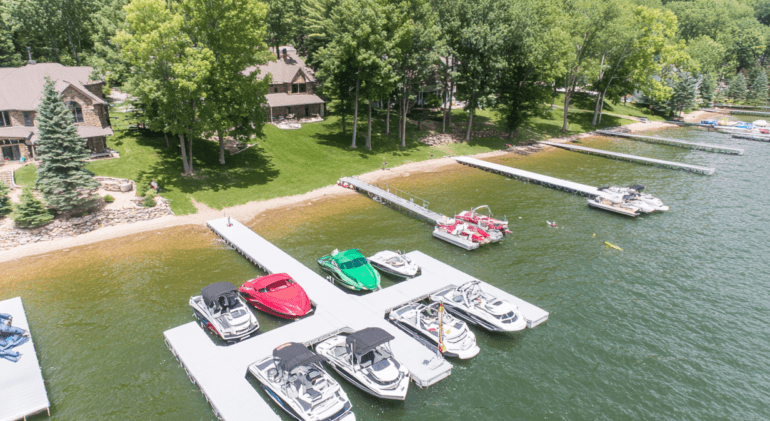
Essential Guide to Floating Dock Construction Building a floating dock can be a rewarding project, whether you’re looking to enhance your waterfront property, create a space for docking a boat, or simply enjoy relaxing by the water. This guide will walk you through everything you need to know about constructing a DIY floating dock. We’ll cover essential materials, provide step-by-step instructions, and share some helpful tips to ensure your floating dock is safe and durable. Floating docks are platforms that sit on the water, supported by pontoons or barrels, allowing them to rise and fall with the water level. Unlike stationary docks, they are versatile and can be moved or adjusted as needed. This adaptability makes them a popular choice for many waterfront applications. Benefits of a Floating Dock Versatility: They can be moved easily or adjusted to different water levels. Cost-Effective: Often cheaper to build than permanent docks. Ease of Construction: With the right plans, they can be built using common tools and materials. Durability: Designed to withstand changing water conditions. Planning Your Floating Dock Before diving into construction, proper planning is crucial. This step involves choosing the right design, size, and materials based on your specific needs and location. Choosing the Right Design Consider the following when selecting a design: Purpose: Is your dock for leisure, fishing, or docking a boat? Location: Consider water depth, tides, and weather conditions. Size: Determine how large your dock needs to be to accommodate its intended use. Gathering Materials and Tools Here’s a list of materials commonly needed for building a floating dock: Pressure-treated lumber Pontoons or barrels Galvanized screws and nails Metal brackets Decking material (e.g., wood, composite) Anchoring system Essential tools include: Circular saw Drill Hammer Measuring tape Level Step-by-Step Construction Guide Step 1: Preparing the Site Begin by selecting a suitable location for your dock. Clear any debris or obstacles from the area to ensure a safe workspace. Step 2: Assembling the Frame Measure and Cut Lumber: Cut the lumber to the desired dimensions of your dock frame. Build the Frame: Use metal brackets and screws to assemble the frame on flat ground. Reinforce: Add cross supports for additional stability. Step 3: Installing the Floats Attach Floats: Securely attach pontoons or barrels to the underside of the frame using metal brackets or straps. Ensure Buoyancy: Check that floats are evenly distributed to maintain balance. Step 4: Adding Decking Lay Decking: Start at one end and lay decking boards across the frame, securing them with screws. Trim Excess: Once decking is in place, trim any excess to ensure a clean edge. Step 5: Anchoring the Dock Install Anchors: Use an anchoring system to secure the dock in place, preventing drift. Adjust as Needed: Ensure the dock is level and adjust anchors if necessary. Tips for a Successful Dock Build by Thiago Zanutigh (https://unsplash.com/@photobnys) Safety First: Always wear protective gear and follow safety guidelines when using tools. Quality Materials: Invest in high-quality, durable materials to prolong the life of your dock. Regular Maintenance: Inspect your dock regularly for any signs of wear or damage. Floating Dock Accessories and Enhancements Once your dock is complete, consider adding accessories to enhance functionality and enjoyment: Gangway: Provides a stable walkway from shore to dock. Lighting: Increases safety and ambiance during evening hours. Ladders: Facilitates easy access to the water. […]
Continue Reading

Custom Deck Installation: Expert Tips & Advice

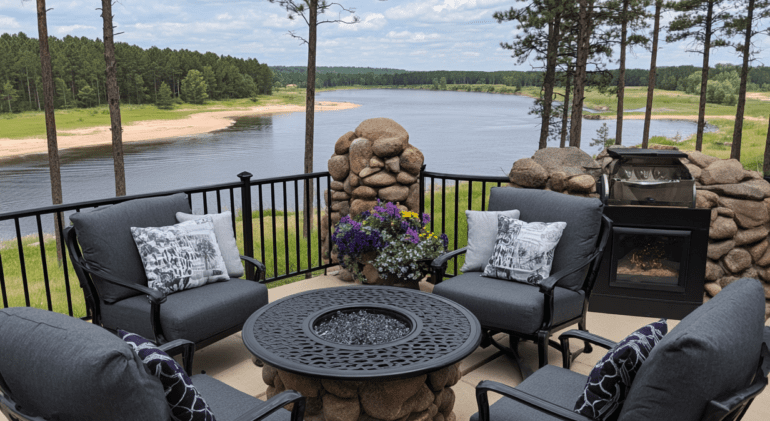
Essential Tips for Custom Deck Installation Building a deck can transform your outdoor space into an inviting retreat for relaxation and entertainment. Whether you’re dreaming of hosting summer barbecues or creating a serene spot to enjoy your morning coffee, a custom deck can cater to your needs. This guide will walk you through essential tips for custom deck installation, ensuring your project is a success. Before you start any construction work, planning your custom deck is crucial. A well-thought-out plan ensures that your deck meets your needs, fits your space, and stays within your budget. Assess Your Space Begin by evaluating the area where you intend to build your deck. Consider the size, shape, and topography of your backyard. Measure the space accurately and take note of any obstacles like trees, utility lines, or existing structures that might affect your design. Set a Budget Setting a realistic budget helps guide your choices throughout the project. Consider costs for materials, labor, permits, and any additional features you want to include, such as lighting or built-in seating. Be sure to leave some room for unexpected expenses. Design Your Deck Designing your deck is the creative part of the process. Decide on the shape, size, and style that best suits your home and lifestyle. Consider the flow from indoors to outdoors and how you plan to use the space. You may want to incorporate multiple levels, stairs, or railings for added functionality and aesthetics. Choosing Materials for Your Deck The materials you choose will significantly impact the look, durability, and maintenance of your deck. Here are some popular options: Wood Wood is a classic choice for custom-built decks. It’s natural, warm, and versatile. Common types of wood for decking include cedar, redwood, and pressure-treated lumber. While wood can be more affordable, it requires regular maintenance to prevent weathering and decay. Composite Composite decking is made from a blend of wood fibers and plastic. It offers the look of wood with less maintenance. Composite is resistant to rot, insects, and fading, making it a durable option. However, it can be more expensive than wood. PVC PVC decking is entirely synthetic and offers excellent durability and low maintenance. It’s resistant to moisture, mold, and scratches, making it ideal for harsh weather conditions. PVC can be more costly but is often worth the investment for its longevity. Preparing for Construction Before any deck construction begins, there are several steps you need to take to prepare the site and ensure everything goes smoothly. Obtain Permits Check with your local building authority to determine if you need a permit for your deck project. Building codes and regulations vary by location, and failing to obtain the necessary permits can lead to fines or issues when selling your home. Clear the Site Clear the construction area of any debris, plants, or obstacles. Mark the boundaries of your deck to visualize its footprint and ensure it fits your space as planned. This step will help you avoid surprises once construction begins. Hire a Professional or DIY? Decide whether you want to hire a professional contractor or tackle the project as a DIY. Hiring a pro can ensure quality work and save time, but it comes at a cost. If you choose to DIY, be prepared to invest time in learning the skills required for custom deck installation. Building Your Custom Deck by Fons Heijnsbroek (https://unsplash.com/@fonsheijnsbroek_amsterdam_photos) Once you’ve planned and prepared, it’s time to start building your custom deck. Here are some key steps to follow: Laying the Foundation The foundation is the most critical part of your deck’s structural integrity. It typically involves installing concrete footings or piers to support the deck’s weight. Ensure the foundation is level and stable to prevent future issues. Framing the Deck The frame provides the skeleton for your deck and includes the joists and beams. Use quality materials and follow your design plan closely. Proper framing ensures your deck can support the load and remain stable over time. Installing Decking Boards Lay the decking boards on top of the frame. Ensure they are spaced evenly to allow for expansion and contraction due to weather changes. Use screws or hidden fasteners to secure the boards in place. Adding Railings and Stairs Railings and stairs are essential for safety and accessibility. Choose railings that complement your deck’s style and install them securely. If your deck is elevated, consider adding stairs for easy access to your yard. Finishing Touches After the main construction is complete, it’s time to add the finishing touches that will make your deck truly custom. Seal or Stain If you’ve chosen wood for your decking, consider sealing or staining it to protect against moisture and UV rays. This step enhances the wood’s natural beauty and extends its lifespan. Lighting and Accessories Incorporate lighting to extend the usability of your deck into the evening. Solar lights, string lights, or built-in fixtures can create a cozy ambiance. Add accessories like planters, outdoor furniture, and a grill to personalize your space. Maintaining Your Deck Regular maintenance is key to keeping your deck looking great and functioning well. Cleaning Sweep your deck regularly to remove debris and prevent staining. Wash it with a mild detergent and water to remove dirt and grime. For composite and PVC decks, follow the manufacturer’s cleaning recommendations. Inspect for Damage Periodically inspect your deck for signs of damage, such as loose boards or rusted fasteners. Address any issues promptly to prevent further deterioration. By following these essential tips for custom deck installation, you can create a beautiful and functional outdoor space that enhances your home and lifestyle. Whether you choose to hire a professional or take on the project yourself, careful planning and attention to detail will ensure a successful outcome. Related Marine Construction Services dock construction […]
Continue Reading

Innovative Dredging & Marine Construction Advances

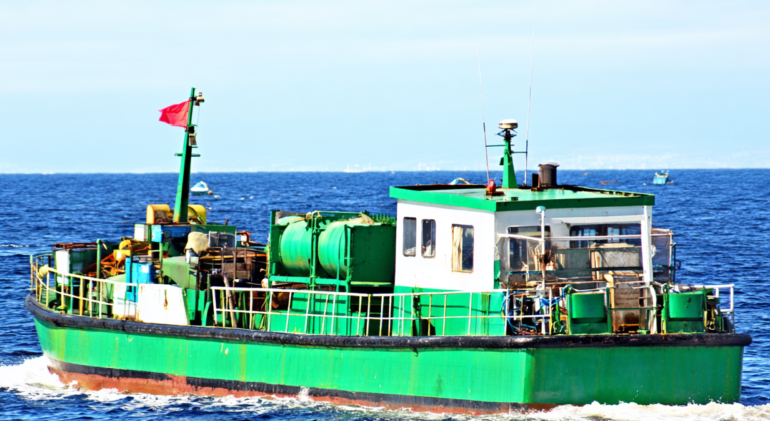
The world of dredging and marine construction is evolving rapidly, driven by technological advancements and innovative practices. This article delves into the latest innovations that are transforming these industries, making them more efficient, sustainable, and effective. Before diving into innovations, it’s important to understand what dredging and marine construction entail. Dredging involves excavating and removing sediment from the bottom of lakes, rivers, harbors, and other water bodies to maintain or increase the depth for navigation or construction purposes. Marine construction, on the other hand, refers to building structures like piers, docks, seawalls, and offshore platforms in or near water bodies. The Importance of Innovation in Dredging Innovation in dredging is critical as it addresses several challenges, including environmental concerns, cost efficiency, and operational effectiveness. The following are some key innovations in the field: Eco-Friendly Dredging Techniques Environmental sustainability is a major concern in dredging operations. Traditional dredging can disturb aquatic ecosystems and release pollutants trapped in sediments. Innovative eco-friendly dredging techniques aim to minimize these impacts. Precision Dredging: This technique uses advanced GPS and sonar technology to precisely target areas that need dredging, reducing the volume of dredged material and minimizing environmental disruption. Beneficial Use of Dredged Material: Instead of disposing of dredged material in landfills or open waters, it is now repurposed for land reclamation, beach nourishment, and habitat restoration projects. Automation and Robotics Automation and robotics are revolutionizing dredging operations, enhancing efficiency and safety. Automated Dredgers: These machines use AI and machine learning to operate with minimal human intervention, improving precision and reducing labor costs. Robotic Inspection and Maintenance: Robots equipped with cameras and sensors are deployed to inspect and maintain dredging equipment, ensuring optimal performance and reducing downtime. Innovations in Marine Construction The marine construction industry is also witnessing significant innovations that are enhancing the durability and sustainability of structures. Advanced Materials and Construction Techniques Geosynthetic Materials: These materials are used to reinforce marine structures, providing strength and longevity while being environmentally friendly. Prefabrication and Modular Construction: Prefabricating components off-site and assembling them on-site reduces construction time and environmental impact. Renewable Energy Integration Marine construction projects are increasingly incorporating renewable energy solutions to power operations and reduce carbon footprints. Offshore Wind Farms: These structures are being built to harness wind energy, providing a sustainable power source for coastal regions. Wave and Tidal Energy: Innovative technologies are being developed to capture energy from ocean waves and tides, offering an untapped source of clean energy. Case Studies of Innovative Projects The Maasvlakte 2 Project The Maasvlakte 2 project in the Netherlands is a prime example of innovation in dredging and marine construction. This land reclamation project expanded the Port of Rotterdam, using precision dredging and eco-friendly techniques to minimize environmental impact. The London Array Offshore Wind Farm The London Array, one of the world’s largest offshore wind farms, demonstrates the integration of renewable energy in marine construction. The project utilized advanced construction techniques to install wind turbines in challenging marine environments. Future Trends in Dredging and Marine Construction by Colin + Meg (https://unsplash.com/@colinandmeg) As technology continues to advance, the future of dredging and marine construction looks promising. Some anticipated trends include: Increased Use of AI and Big Data: AI and big data analytics will play a vital role in optimizing dredging operations, predicting maintenance needs, and improving decision-making processes. Sustainable and Resilient Infrastructure: There will be a growing emphasis on building marine structures that are both sustainable and resilient to climate change impacts, such as rising sea levels and increased storm intensity. Collaboration and Knowledge Sharing: Global collaboration and knowledge sharing among industry stakeholders will drive innovation and best practices, ensuring the continued development of sustainable solutions. Conclusion Innovation in dredging and marine construction is crucial for addressing environmental concerns, improving efficiency, and supporting sustainable development. By embracing advanced technologies and eco-friendly practices, the industry can continue to thrive while protecting our valuable marine ecosystems. As these innovations become more widely adopted, we can expect to see even more exciting developments that will shape the future of dredging and marine construction for years to come. Related Marine Construction Services dredging in Miami-Dade County dredging in Broward County dredging in Palm Beach County marine construction in […]
Continue Reading

Marine Construction Services by Location

Marine Construction Miami Marine Construction Fort Lauderdale Marine Construction Boca Raton Marine Construction Port St. Lucie Marine Construction Stuart, FL Marine Construction Jupiter, FL Marine Construction Naples, FL Marine Construction South Florida Waterfront Construction Queens, NY Waterfront Construction Manhattan, NY Marine Construction Nassau County, NY Marine Construction Suffolk County, NY Waterfront Construction Brooklyn, NY Seawall Construction Fort Lauderdale Dredging Cape Coral, FL